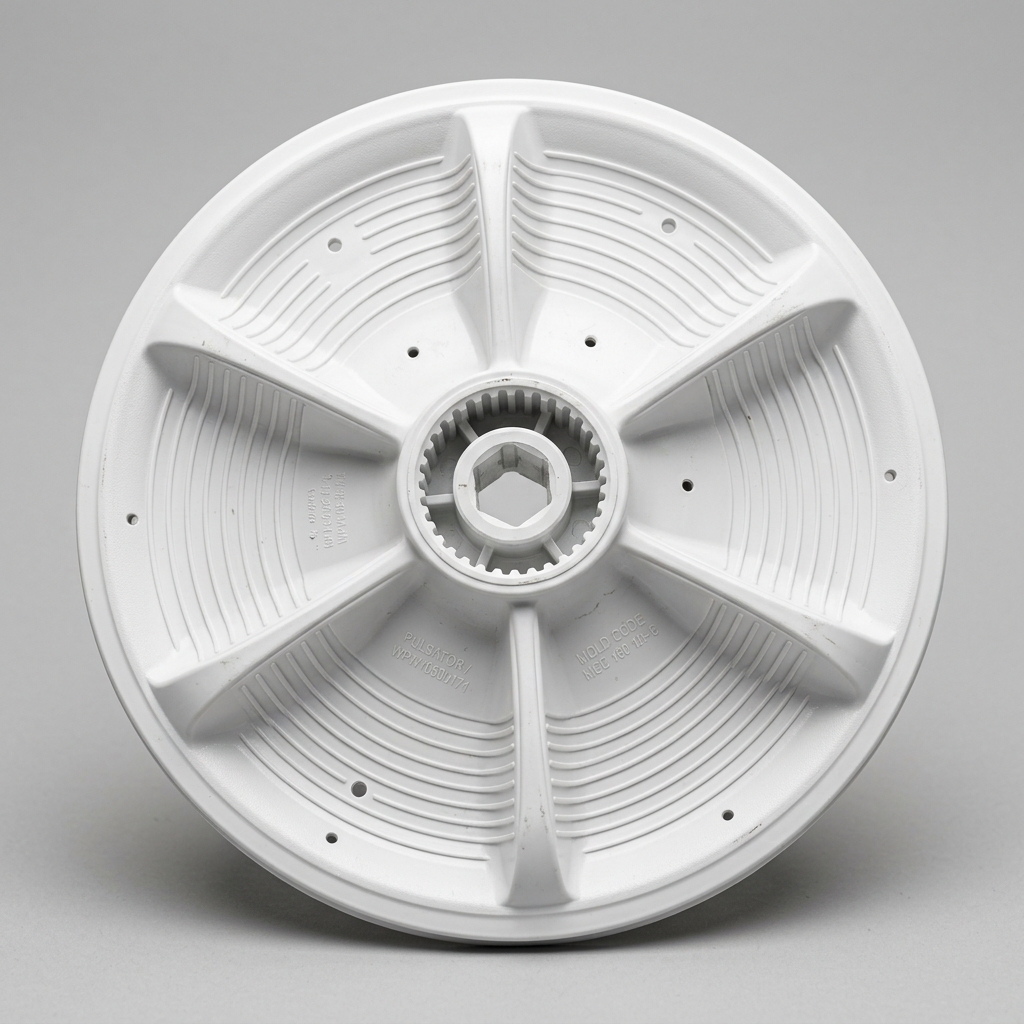
Understanding Pulsator Mechanics
In semi-automatic washing machines, the pulsator is the core component responsible for generating the water currents (vortices) that cleanse the fabrics. For B2B spare parts distributors, purchasing sub-standard pulsators leads to a high rate of field returns, tarnishing client relationships with repair technicians. This guide outlines the key physical and chemical features that define a high-grade replacement pulsator.
1. Center Spline Gear Material & Tooth Density
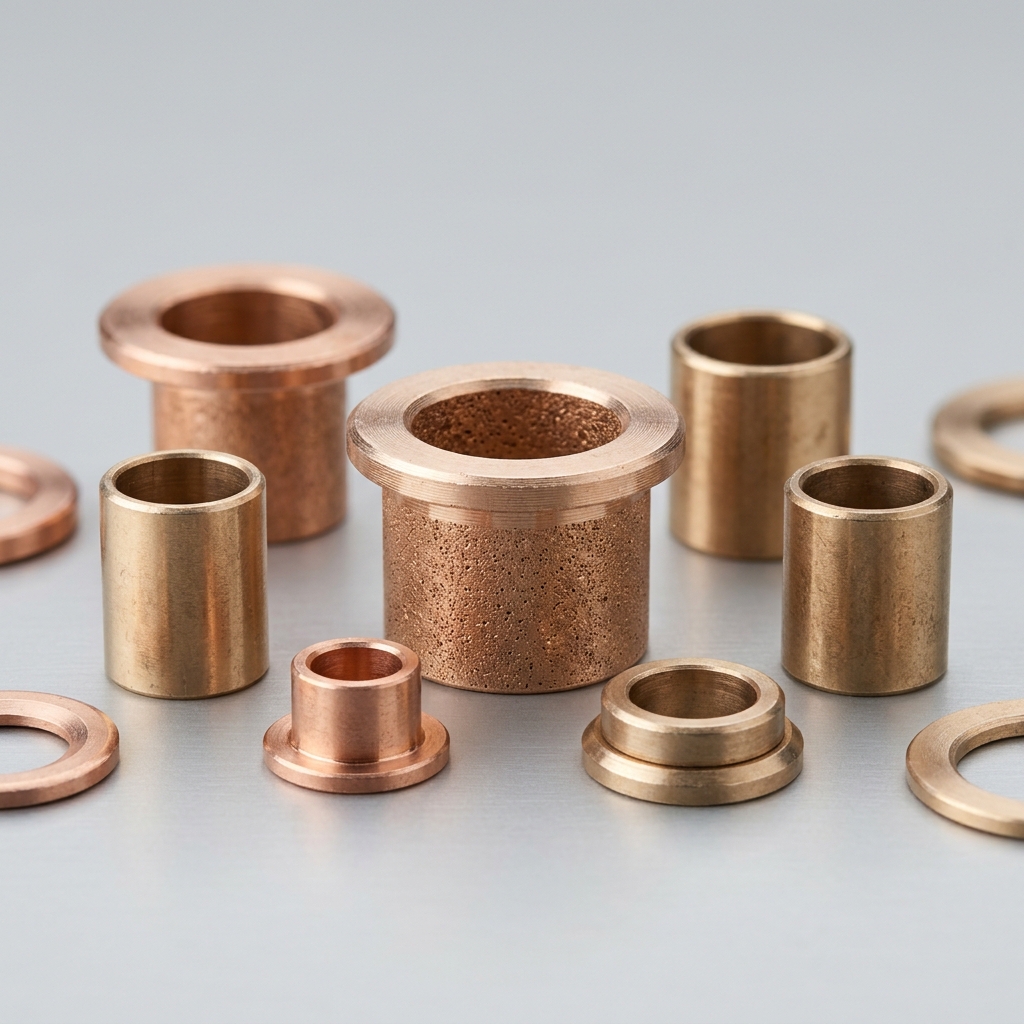
The spline gear is the highest friction point on the pulsator. It fits onto the gearbox shaft and transfers rotational torque. Inferior pulsators use soft alloy splines or even direct plastic gears. Over time, these strip, rendering the pulsator useless. Always look for splines cast in solid brass or reinforced stainless steel. Ensure the tooth count (usually 10, 11, or 12 splines) matches the shaft standard precisely with zero play.
2. Plastic Formulation: ABS vs. Standard PP
Washing machine pulsators are exposed to harsh detergents, bleach, hot water, and constant mechanical impacts from buttons, zippers, and heavy loads. Premium pulsators are manufactured using High-Impact Virgin ABS or reinforced Polypropylene (PP) with glass-fiber additives. These materials offer high chemical resistance and tensile strength, preventing cracks or warping.
3. Underside Rib Architecture
The strength of a pulsator does not just come from the top disk, but from the rib structure molded onto its underside. High-grade models feature radial, thick-walled honeycombed ribs that prevent flexing during high-load cycles. A flexing pulsator drags against the tub, creating heat, friction, and motor strain.
Conclusion
By stocking pulsators that feature brass inserts, virgin PP engineering, and heavy radial ribs, wholesale suppliers ensure that their parts meet or exceed the performance of original equipment (OE) parts. Jai Mahavir Electricals manufactures all premium pulsators to these precise industrial guidelines.